
EcoLite
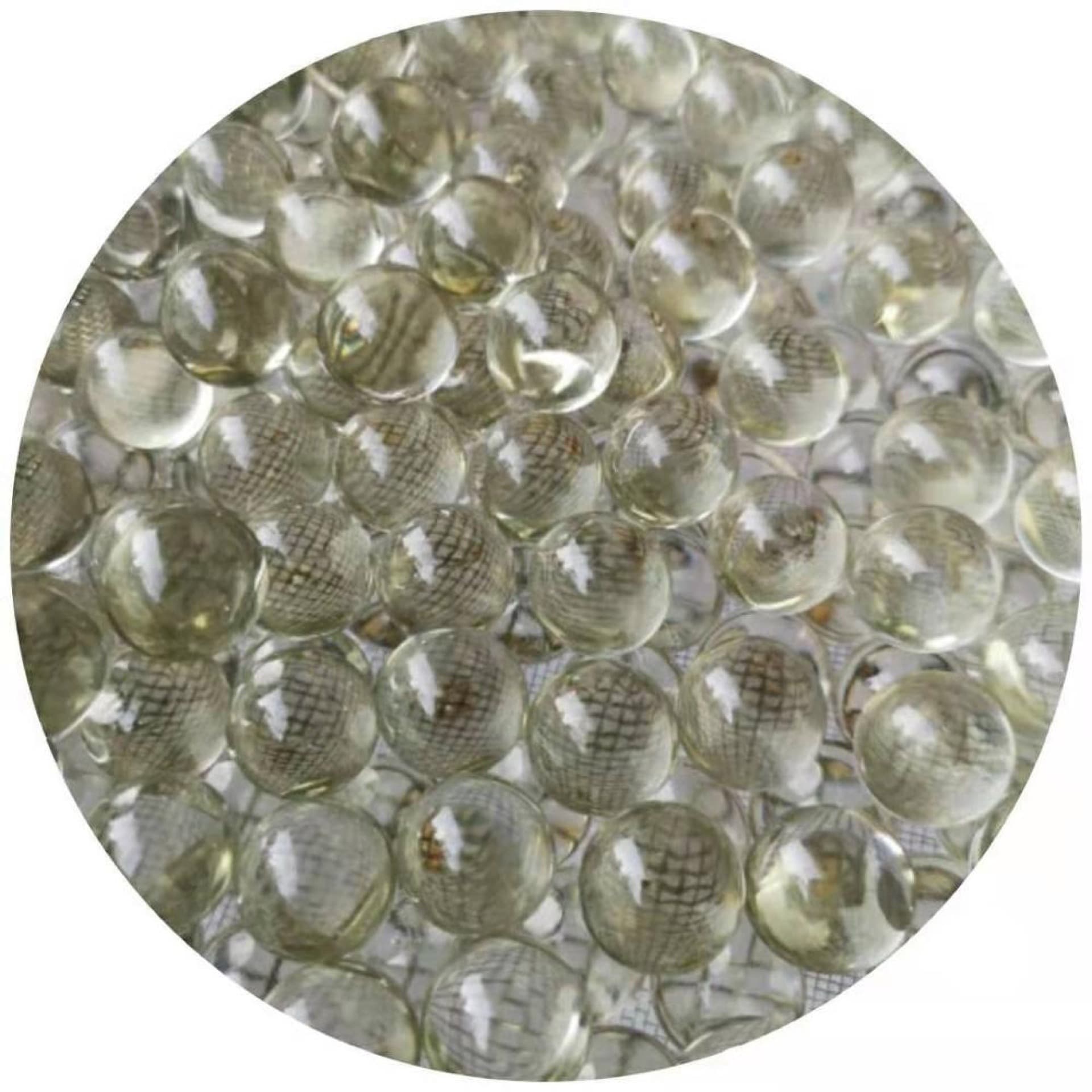
Close-up of retroreflective microbeads

Technology

A unique symbiosis of three innovative technologies

Retroreflective beads made from sugarcane waste, an organic glow-in-the-dark material and a glue you could find in your kitchen. Together they make one can that works like a reflective vest — without the vest.

Retroreflective Beads
01 · Made from natural polylactic acid

Retroreflective Beads

Each retroreflective bead is manufactured from polylactic acid (PLA). The polymeric compound is derived from renewable resources such as bagasse — leftovers from sugarcane processing. Each retroreflective element is within the micrometre range of 0.1–500 µm.


Organic Long Persistent Luminescence Materials
02 · Glow that lasts

Organic Long Persistent Luminescence Materials

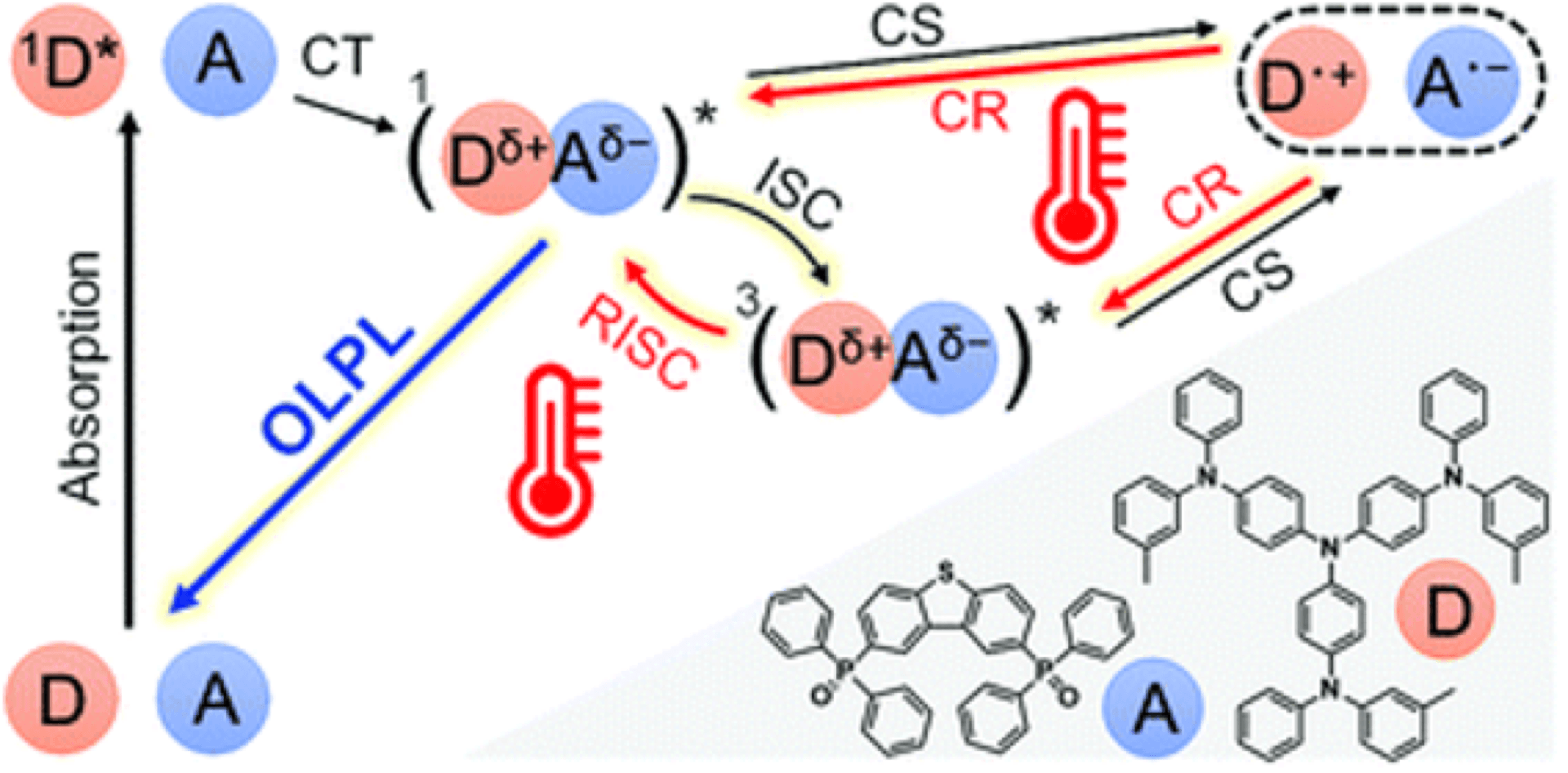
Glow-in-the-dark materials can store absorbed photon energy and emit light for long periods. Our organic long-persistent luminescent (OLPL) material contains no heavy metals or rare-earth elements.

Biodegradable Adhesive
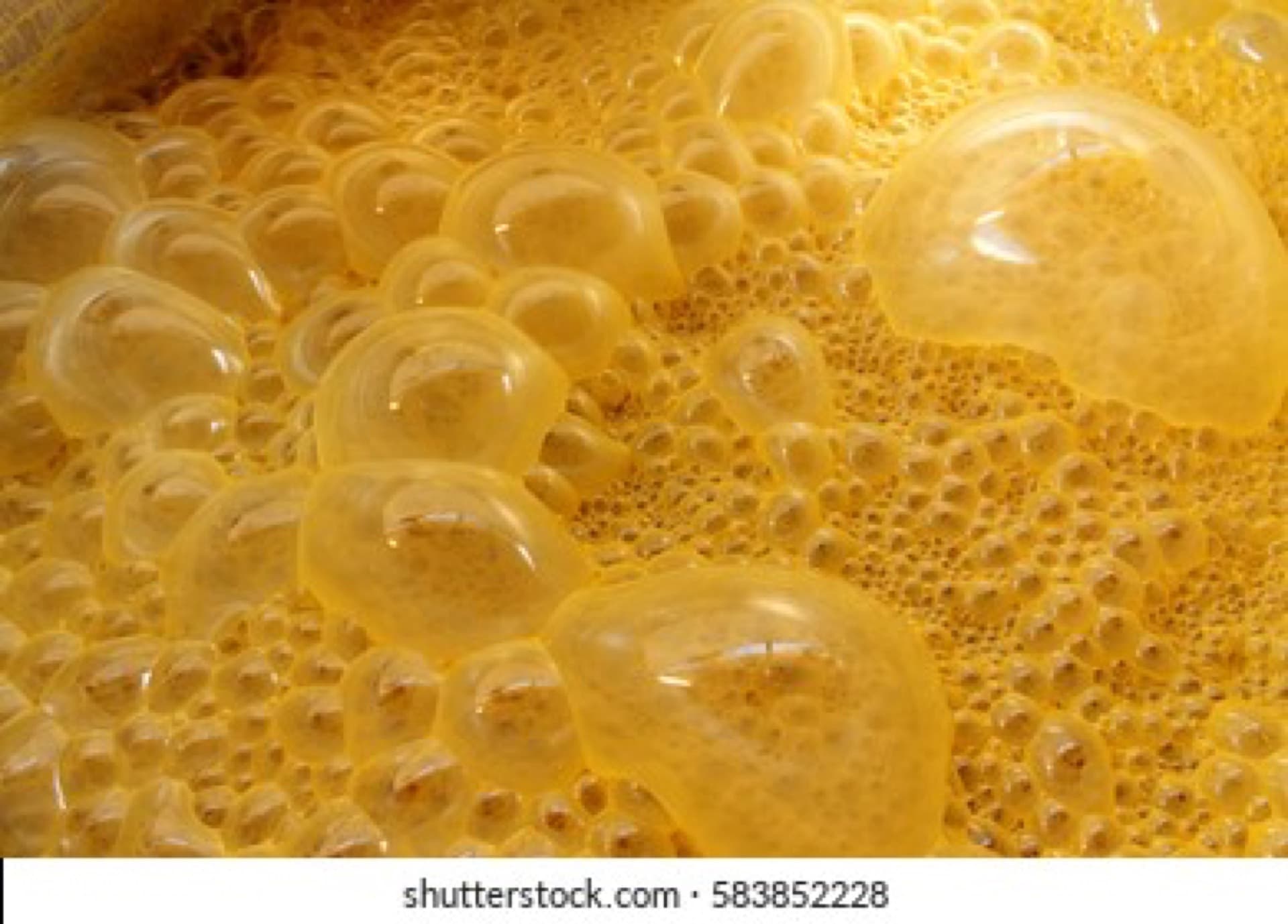
03 · Non-toxic, biodegradable glue

Biodegradable Adhesive

All the primary raw materials used to make gelatin-based glue, or protein glue, can be found in your kitchen. It is non-toxic, recyclable and eco-friendly, with superior performance and short set times.

From field to bead

Natural microbead manufacturing process

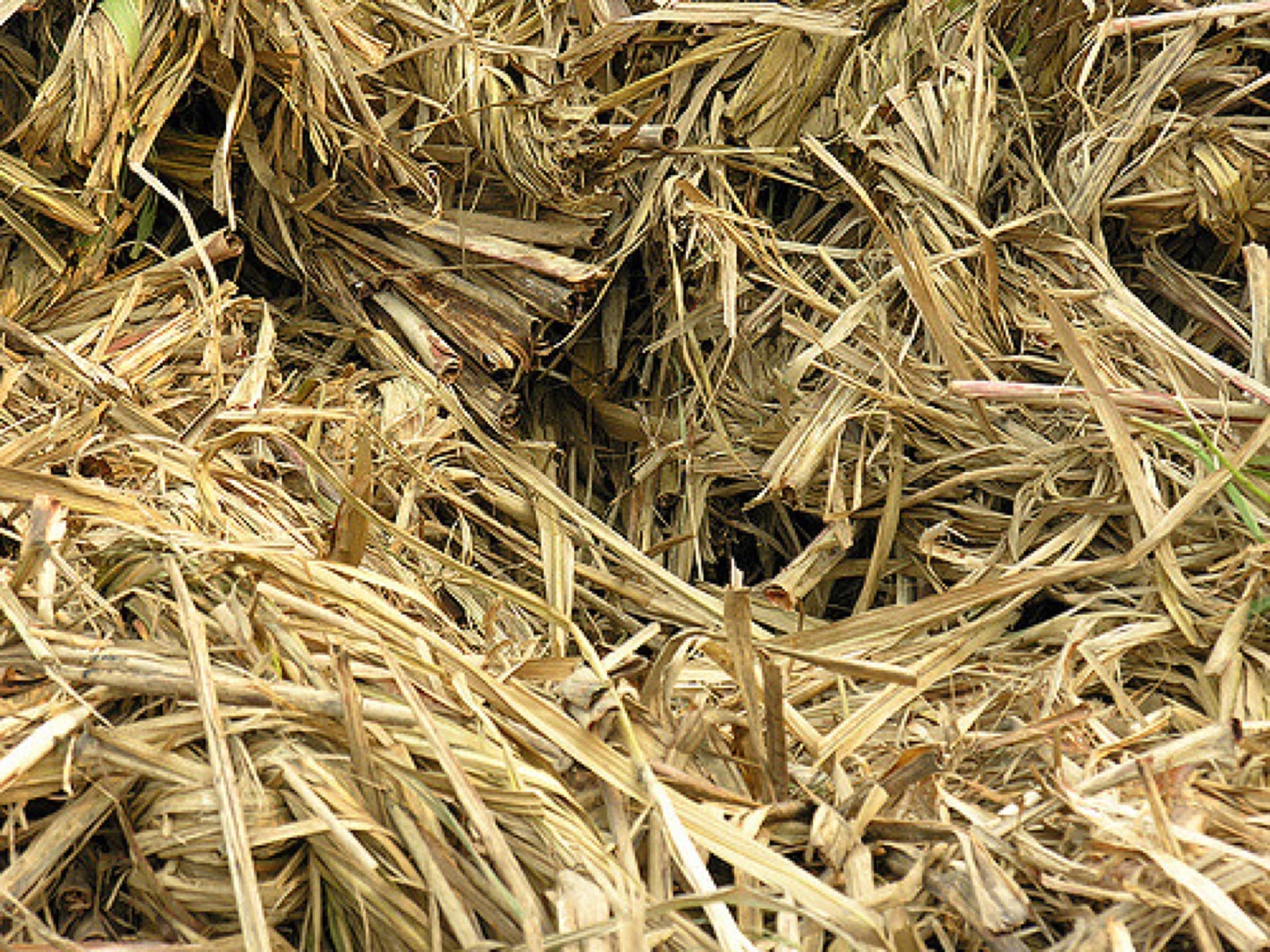
Bagasse — the fibrous leftover from sugarcane processing — is fermented into lactic acid, turned into lactide and polymerised into PLA. Each bead is 0.1–500 µm across.

  1. 1
    Sugarcane production

    Sugarcane production

  2. 2
    Bagasse waste collection

    Bagasse waste collection

  3. 3
    Fermentation of sugar

    Fermentation of sugar

  4. 4

    Lactide production

  5. 5
    Polymerization

    Polymerization

  6. 6
    Natural microbeads

    Natural microbeads

Adhesive

Non-toxic, biodegradable glue

All the primary raw materials used to make gelatin-based glue, or protein glue, can be found in your kitchen.

  • Non-toxic, recyclable and eco-friendly
  • Superior performance
  • Short set times
  • Nearly odorless
  • Transparent to faint yellow

Luminescence

Organic long persistent luminescent material

Glow-in-the-dark materials can store absorbed photon energy and emit light for long periods. The chart shows luminescence intensity over time after charging.

Chart of luminescence intensity over time
Animated zoom into the retroreflective bead structure

Up close

Millions of tiny mirrors

Every bead bounces light straight back toward its source. When headlights hit sprayed fabric, the whole surface lights up — exactly where the driver is looking.