
Ecology
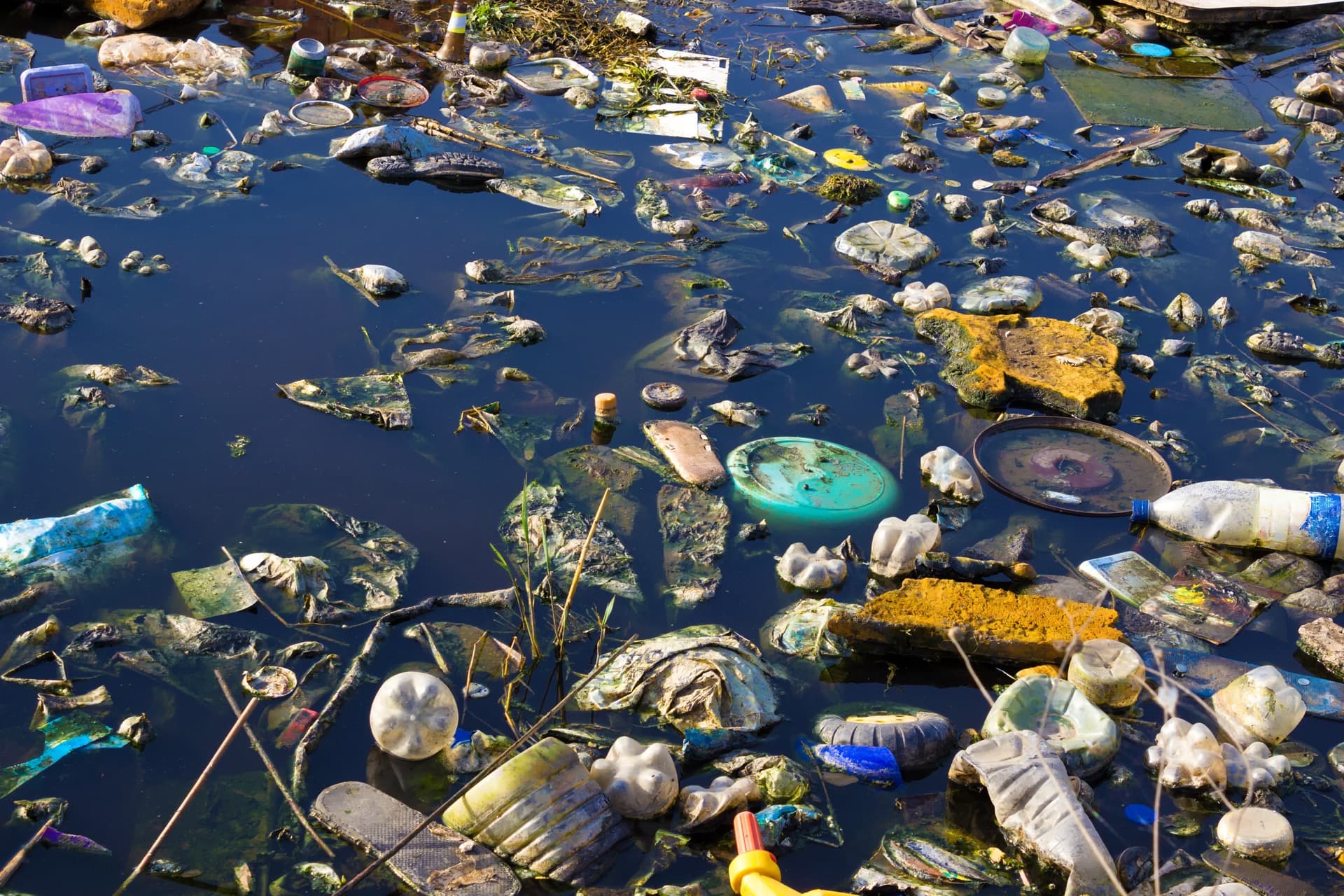
Health and environmental hazards
Most reflective products on the market shed plastic and glass microbeads. Here is why that matters — and what we do differently.
Microplastics hazard
Conventional reflective products rely on plastic and glass microbeads. Particles smaller than 5 mm absorb chemical pollutants and move through the food chain.
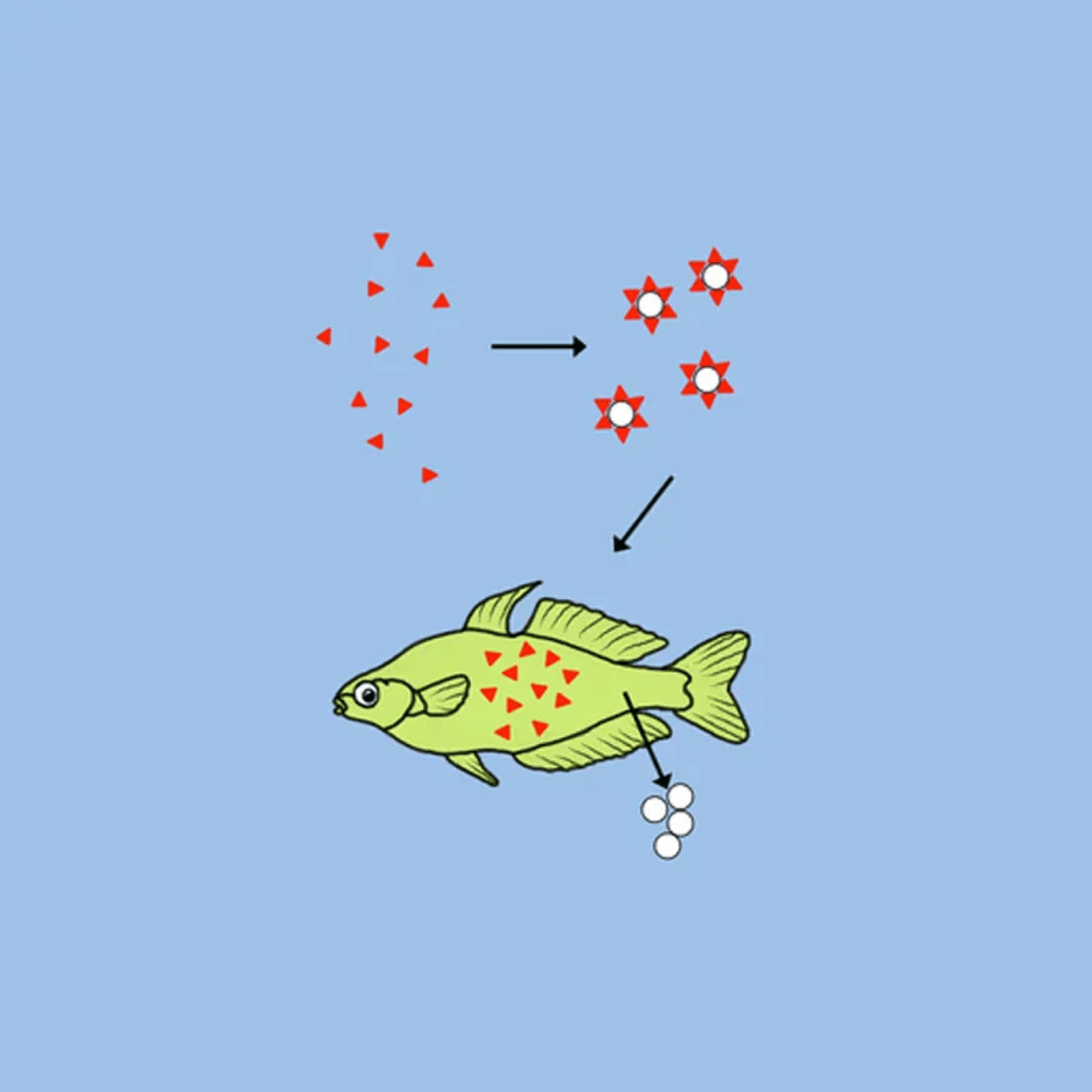
PBDEs concentrate on microplastics
Persistent pollutants such as PBDEs bind to microplastic surfaces and bioaccumulate in living tissue.
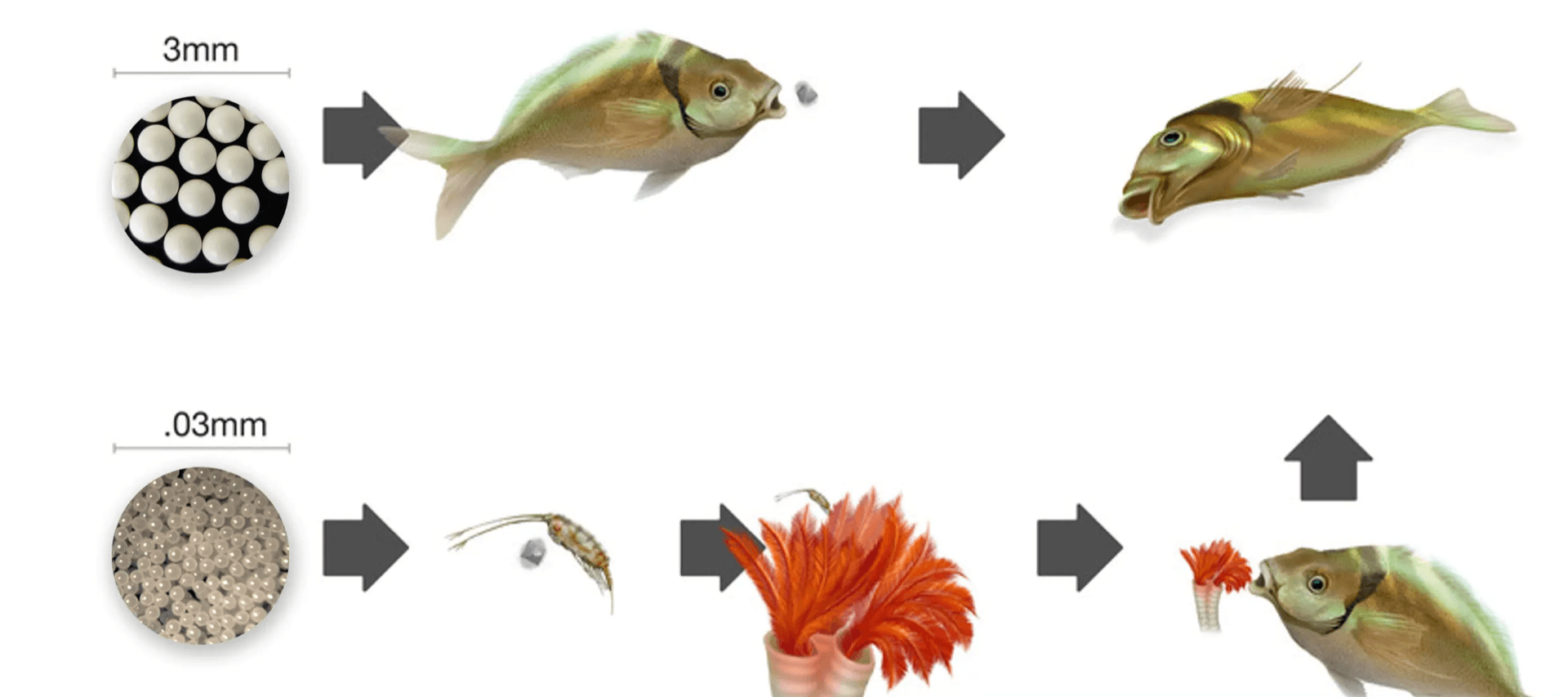
Microplastics move up the food chain
Filter feeders ingest the particles; larger animals accumulate the toxins, causing health problems or death — eventually reaching our plates.
Bioaccumulation
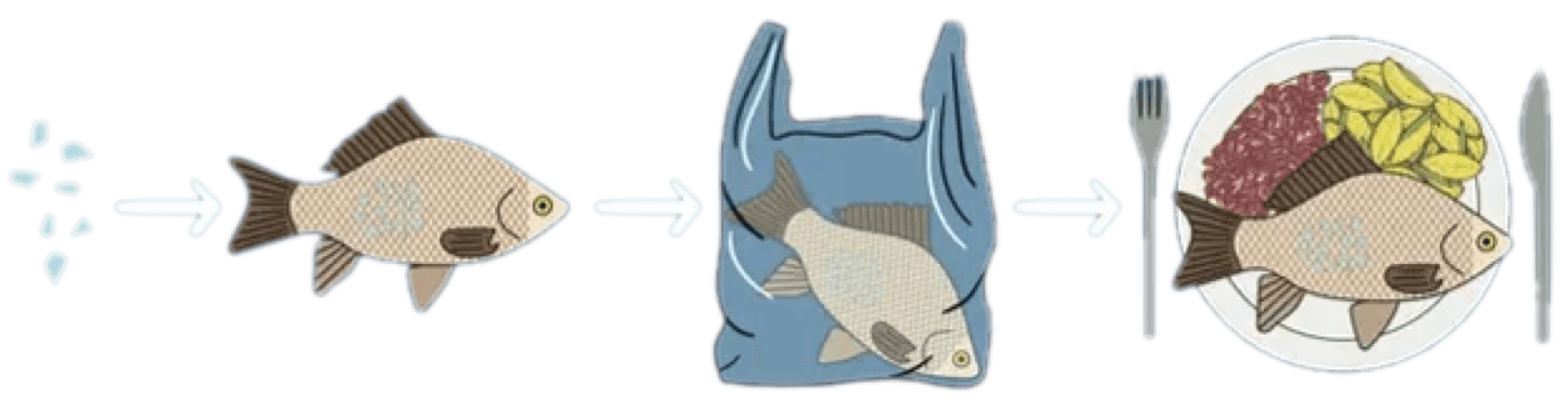
From the water to the plate
Microplastics are ingested by filter feeders, concentrated in fish and finally end up in the food we eat. Reflective microbeads washed out of clothing are part of that stream.
Our promise
We are different
EcoLite is the only solution built on organic, biodegradable materials from start to finish — no glass, no petroleum plastics, no heavy metals.
Built clean